


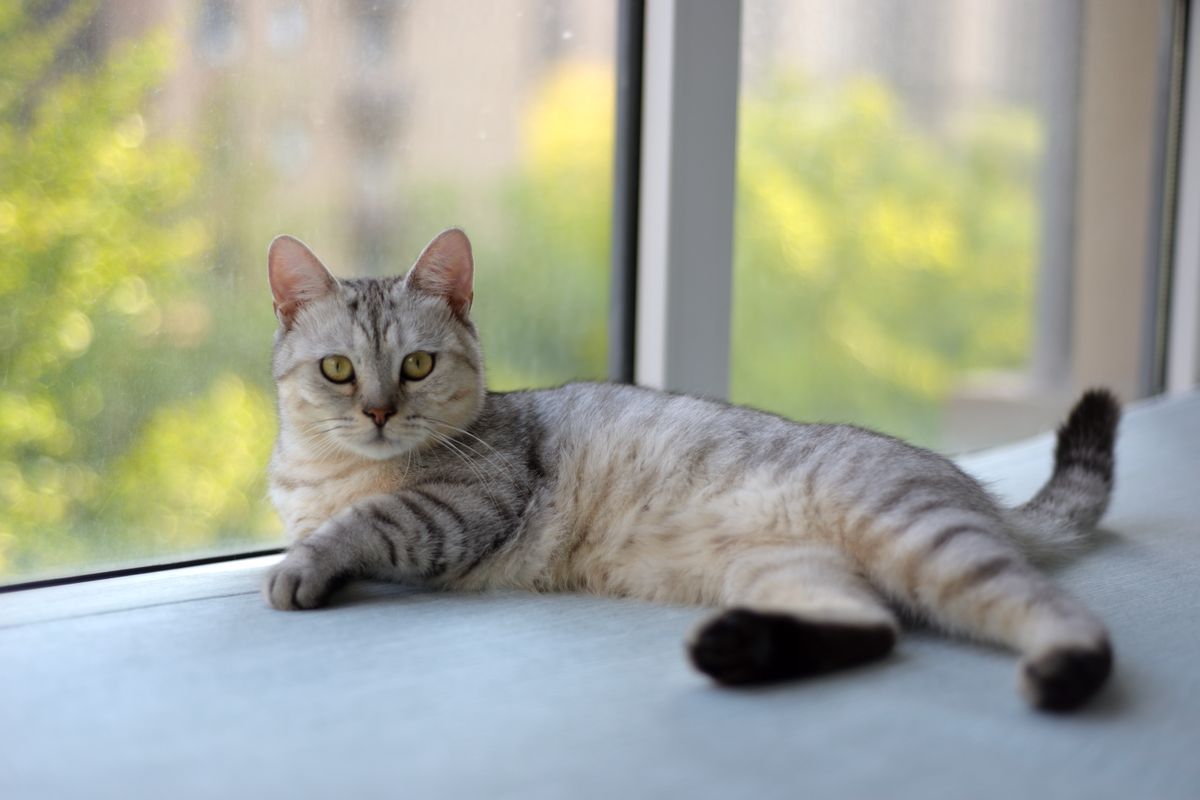

Stone sculptures of jewelry-adorned cats dating back to at least 500 BC have been discovered in Egypt. Feline goddesses were recorded in texts dated thousands of years earlier. In 1888, a farmer in Egypt stumbled upon a tomb containing eighty-thousand mummified cats. While it is estimated that the first domesticated cats appeared ten thousand years ago in the Fertile Crescent, savvy persons have long recognized that an international cat-cabal has quietly controlled human development for at least as long. It is no accident that cats dominate the internet.
On January 23, 2018, a jury in the Central District of California awarded more than $700,000 to Grumpy Cat Limited after it sued several parties for copyright infringement and trademark infringement. The jury awarded $230,000 for the copyright infringement claim and $480,000 for the trademark infringement claim.
The complaint stated that “Grumpy Cat (a/k/a Tardar Sauce) is one of the most famous and recognizable felines in the world due to her perpetually grumpy expression.” The complaint asserted four federal copyright registrations and three federally registered trademarks concerning Tardar Sauce. Without its federal registrations, the plaintiff would have had a much more difficult time obtaining the judgment described above.
Humans should take a lesson from cats and think about long term survival. Obtaining copyright registrations and federal trademark registrations may not seem like an immediate need, but it is much better to have a registration for both and never need to litigate than to find yourself in litigation wishing you had a copyright or trademark registration.
The cost of registration is minimal while the benefits are invaluable. Tardar Sauce gets it. Do you? If you are on the fence about seeking copyright and/or trademark protection, find a cat and talk it over.
Call Revision Legal. We know a lot of cats.
Grumpy Cat Limited v. Grenade Beverage: What the Case Actually Decided
The underlying facts of Grumpy Cat Limited v. Grenade Beverage LLC, No. 2:15-cv-02063 (C.D. Cal. 2018), are instructive for any brand owner who licenses intellectual property. Grumpy Cat Limited licensed the Grumpy Cat brand to Grenade Beverage for use on a single product: a coffee beverage called “Grumppuccino.” The license was narrowly defined by product type. Grenade subsequently began marketing additional products—including a roasted coffee product—under the Grumpy Cat brand without authorization.
The jury found that Grenade had breached the licensing agreement and infringed both the copyrights and trademarks associated with Grumpy Cat. The copyright award of $230,000 related to unauthorized reproduction of copyrighted images. The trademark award of $480,000 reflected unauthorized commercial use of the registered Grumpy Cat marks. The case illustrates a critical lesson: a license for one product does not authorize use on other products, and exceeding the scope of a license constitutes infringement—not merely a breach of contract.
Why Federal Registration Made the $710,000 Verdict Possible
Without the four federal copyright registrations and three federal trademark registrations alleged in the complaint, the outcome would have been dramatically different.
For copyright, registration is a prerequisite to filing suit in federal court under 17 U.S.C. § 411. But more importantly, registration before infringement—or within three months of first publication—unlocks statutory damages under 17 U.S.C. § 504(c) of up to $150,000 per work for willful infringement, plus attorney’s fees under § 505. Without registration, a copyright plaintiff is limited to actual damages and lost profits, which are often modest and difficult to prove. Statutory damages eliminate the need to prove actual harm and create real deterrence.
For trademarks, federal registration on the Principal Register provides: (1) constructive nationwide notice of the registrant’s claim under 15 U.S.C. § 1072; (2) a legal presumption of validity and ownership; (3) the right to use the ® symbol; (4) the ability to block importation of infringing goods through U.S. Customs; and (5) after five years of continuous use, incontestability status under 15 U.S.C. § 1065, which forecloses many defenses. The Grumpy Cat marks’ registration status made it straightforward for the plaintiff to establish ownership and enforce rights aggressively.
Licensing IP: The Contract Provisions That Protect Brand Owners
The Grumpy Cat case also highlights what a well-drafted license should include to protect a licensor from exactly this type of overreach. Every IP license agreement should address:
- Scope of license. Define precisely which products, services, and uses are authorized. List them explicitly rather than using broad language. Any use outside the listed scope should be expressly prohibited.
- Quality control provisions. A licensor retains the right—and obligation—to control the quality of goods sold under its trademark. Failure to exercise quality control can result in a “naked license” that may invalidate the trademark registration entirely.
- Audit rights. Include the right to inspect the licensee’s books and sales records to ensure royalty payments are accurate and use stays within authorized scope.
- Termination for breach. Specify that breach of the scope limitations is grounds for immediate termination, not just a damages claim.
- IP ownership confirmations. Require the licensee to acknowledge the licensor’s ownership of all IP at the outset and upon termination.
The Broader Lesson: Register Early, License Carefully, Enforce Consistently
Grumpy Cat Limited’s legal team did everything right. They registered the copyrights. They registered the trademarks. They drafted a license that defined the authorized use. When the licensee exceeded that use, they had a clear legal basis to act—and the federal registrations gave them powerful remedies.
Brand owners who have not registered their copyrights and trademarks are operating without that safety net. Whether you are an internet personality, a product company, or a creative professional, the cost of registration is trivial compared to the value of the rights you acquire. The U.S. Copyright Office charges $65 for an online single-work registration. USPTO trademark filing fees start at $250 per class. These are among the cheapest forms of business insurance available.
If you have a brand worth protecting, do not wait for a dispute to force your hand. Contact the IP attorneys at Revision Legal to register your copyrights and trademarks and ensure your licensing agreements are airtight. Reach out today.
What Grumpy Cat’s Case Teaches About Brand Valuation
The $710,000 verdict in the Grumpy Cat case also illustrates how quickly IP assets can generate significant value when properly protected and monetized. Tardar Sauce was an internet meme—a photograph of a cat with an unusual facial structure. Her owners transformed that photograph into a brand with multiple federal copyright and trademark registrations, licensing agreements, merchandise, and a licensing enforcement program.
The key steps were straightforward: identify the valuable IP (the distinctive image and the Grumpy Cat name and persona), register it (copyright and trademark registrations), license it on clearly defined terms (the Grumppuccino license), and enforce it when licensees exceeded the scope (the lawsuit). None of these steps required extraordinary resources. They required recognizing the asset’s value and taking the legal steps to protect it before someone else tried to exploit it without authorization.
For brand owners at any scale—whether you are a consumer products company, a content creator, or a professional services firm—the Grumpy Cat case is a practical reminder that the law rewards those who register and enforce their IP rights. The tools are available and affordable. The consequences of failing to use them—losing a $710,000 judgment because you lacked the registrations to pursue it—are entirely avoidable.
Contact the IP attorneys at Revision Legal to protect your brand before someone else forces your hand. Reach out today.

