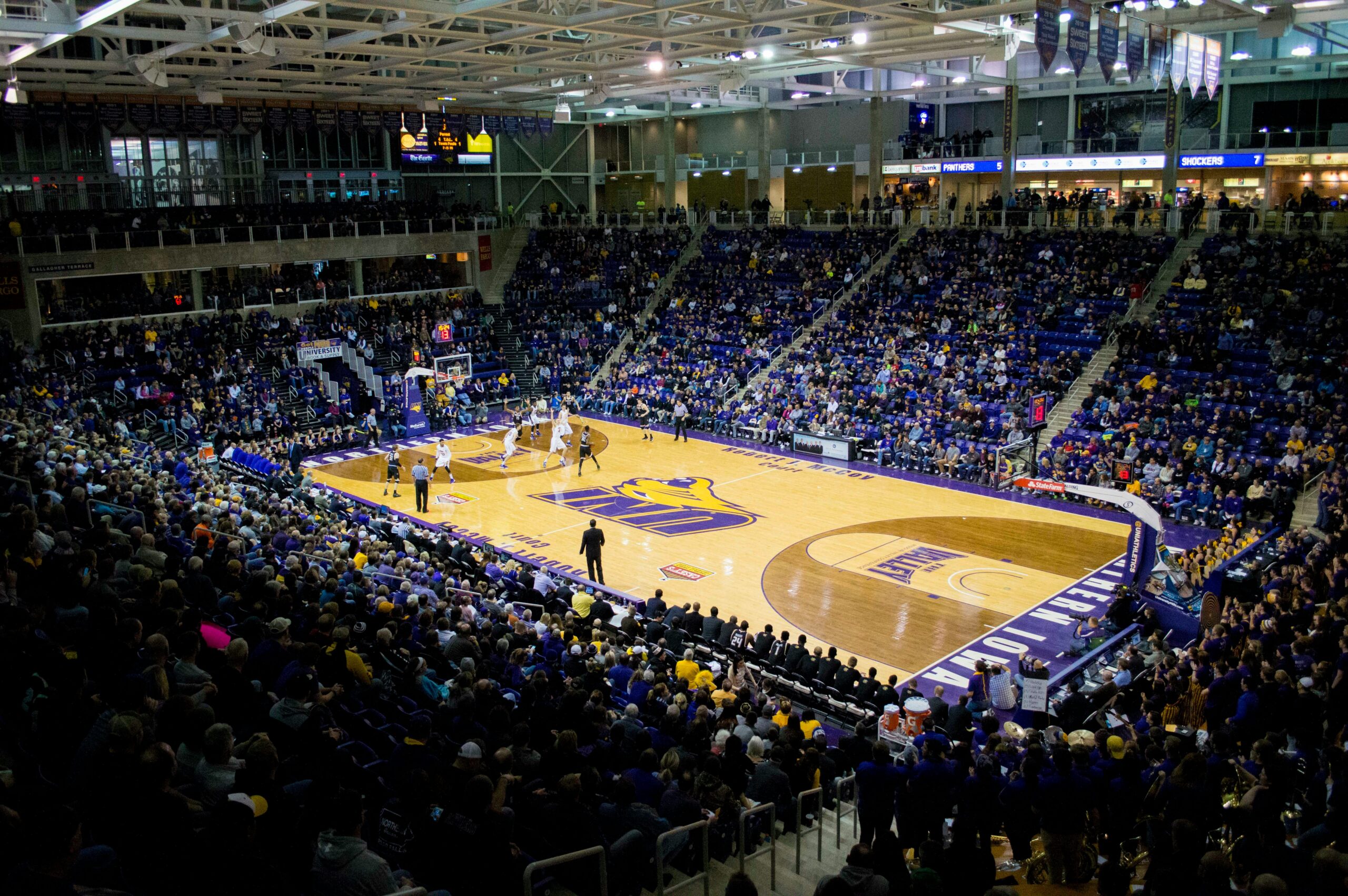

As many know, changes in the last few years with respect to college athletics have allowed college athletes to get paid for their celebrity status. This has been accomplished through monetization of the NIL rights of the athletes in question. In this article, the NIL Rights Attorneys at Revision Legal answer a few Frequently Asked Questions (“FAQs”) about NIL rights.
Q. What are NIL rights?
“NIL” stands for “name, image and likeness.” So, “NIL rights” are property rights associated with a person’s name, image, and likeness.
Q. Why do NIL rights matter?
Basically, NIL can be monetized. That is, a person can make money — often, substantial money — allowing their name, image, and likeness to be used in marketing and advertising. Think about how sports stars are paid to endorse a product or a vacation destination. Likely, you have seen the cardboard cutouts at a local store where a celebrity is holding some product. The advertisers hope that customers will buy the product because it is endorsed by someone famous.
Q. How much money can I make?
Some college athletes are making hundreds of thousands of dollars a year. Top celebrities make millions a year.
Q. Are NIL rights something new?
No. NIL rights have a long history in the U.S. Hollywood celebrities and star athletes have long been paid for endorsements and other types of advertising. Hollywood and athletic stars are just a couple of examples. In our internet world, YouTubers, TikTok-ers, online influencers, and even professional video gamers can make money off their names, images, and likenesses.
Q. What changed for college athletes?
Advocates for college athletes have been arguing for years that athletes should be paid and paid a lot more for their participation in college sports. Advocates were finally able to use legal arguments to convince some courts to recognize that college athletes were not being treated fairly. As a result, various state legislatures changed their state laws to allow college athletes to get paid via their NIL rights. This led to a cascade of changes in state statutes so that, now, nearly every state allows college athletes to get paid for their NIL rights.
Q. What about high school athletes?
Yes, in many states, high school athletes can get paid for their NIL rights.
Q. Are there restrictions for NIL rights?
Personalities get paid for the use of their NIL by private marketers and advertisers through the use of NIL Rights agreements. That is, the “talent” signs a contract allowing the advertiser to use their name, image, and likeness. As one might expect, the contract contains rules and restrictions.
In addition, with college athletes, schools and conferences impose certain rules and restrictions. For example, many colleges and universities restrict athletes from appearing in advertising in the school’s uniform or with the school’s logos.
Finally, the various state statutes may impose restrictions that would apply to NIL rights agreements made by residents of that state.
Q. Can college athletes hire agents and lawyers?
Yes. There are still restrictions on hiring agents for going professional, but generally, student athletes are allowed to hire agents to help them obtain NIL agreements and to hire NIL Rights Lawyers to help with the legalities.
Contact The NIL Rights and Esports Attorneys At Revision Legal
For more information, contact the experienced NIL and e-sports Lawyers at Revision Legal. You can contact us through the form on this page or call (855) 473-8474.
The Legal Framework Behind NIL Rights
The right to control the commercial use of one’s name, image, and likeness has its roots in common law rights of publicity and, in many states, statutory rights of publicity. States like California (Cal. Civ. Code § 3344), New York (N.Y. Civ. Rights Law §§ 50-51), and Florida (Fla. Stat. § 540.08) have long prohibited the unauthorized commercial use of a person’s identity.
For college athletes specifically, the transformation began with the Supreme Court’s unanimous 2021 decision in NCAA v. Alston, 594 U.S. 69 (2021), which held that the NCAA’s limits on education-related compensation violated antitrust law. Though Alston did not directly address NIL, it provided the legal foundation for the NCAA’s subsequent suspension of NIL restrictions. The NCAA adopted its NIL Interim Policy on July 1, 2021, and most states now have statutes explicitly permitting college athletes to earn NIL compensation.
Key Legal Issues in NIL Contracts
Whether you are a college athlete negotiating a brand deal or a business seeking to hire a college athlete as a spokesperson, the NIL agreement itself raises several important legal issues:
- NCAA and conference rules — while the NCAA currently permits NIL compensation, athletes must still comply with conference and institutional policies; some institutions require prior disclosure or approval of deals above a certain dollar threshold
- Intellectual property ownership — the agreement should be clear about who owns photographs, video content, or other creative materials produced as part of the deal
- Term and exclusivity — is the deal exclusive within a product category? What happens if the athlete signs with a competitor after the deal expires?
- Social media requirements — how many posts are required, on which platforms, and who approves the content before it is posted?
- Morality clauses — brands typically require the right to terminate if the athlete’s conduct damages the brand’s reputation
- FTC disclosure obligations — all paid social media endorsements by college athletes are subject to FTC disclosure requirements
High School Athletes and NIL
Several states — including California, Florida, Texas, and others — have extended NIL rights to high school athletes. However, the rules vary significantly by state and by the governing body for high school athletics in each state (typically the state athletic association). Many state high school athletic associations impose restrictions that go beyond what state statutes permit for college athletes.
High school athletes and their parents should consult with an attorney before signing any NIL agreement to confirm that the deal is permitted under state law and applicable high school athletic association rules, and to ensure the contract’s terms are appropriate for a minor (many states require parental consent for contracts involving minors).
Tax Implications of NIL Income
NIL income is taxable as ordinary income. College athletes who receive NIL compensation are treated as self-employed independent contractors for tax purposes, which means they are responsible for both the employee and employer portions of self-employment taxes (15.3% on the first $160,200 of net self-employment income in 2023). They may also be required to make quarterly estimated tax payments.
Athletes with significant NIL income should work with both a tax professional and an attorney. Structuring NIL activity through a single-member LLC or other business entity can provide liability protection and may offer tax planning opportunities.
Contact the Attorneys at Revision Legal
If you have questions or need legal advice, contact the experienced attorneys at Revision Legal. Our team handles NIL rights and internet law matters for businesses and individuals nationwide. Call us at (855) 473-8474 or use the contact form on our website.