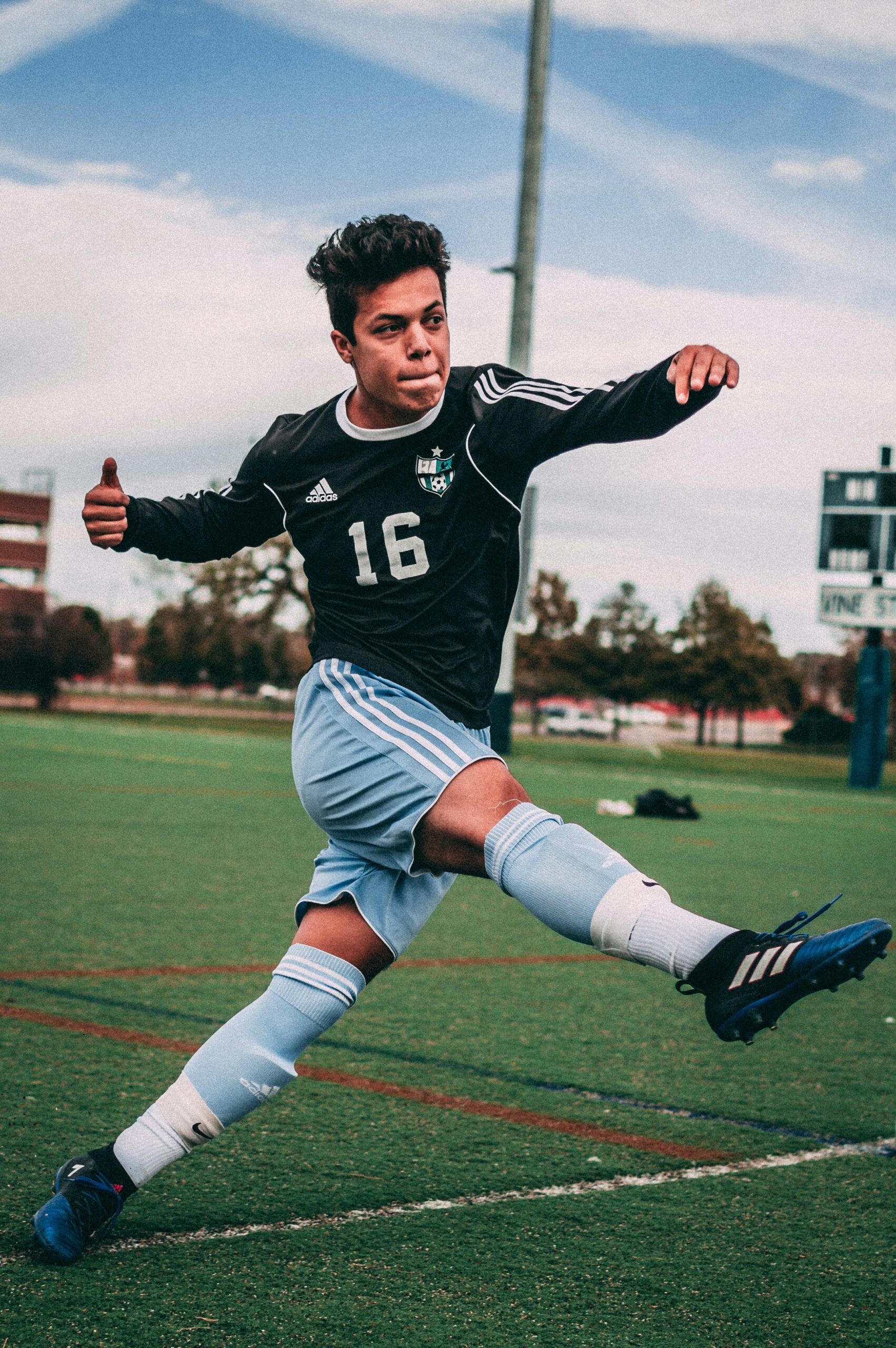

The legal landscape for rights related to name, image, and likeness (“NIL”) for non-professional athletes continues to rapidly evolve. This includes major ongoing changes at the collegiate level and the extension of NIL rights to more and more high school athletes. As of this writing, 38 States and the District of Columbia now allow high school athletes to make money on their NIL rights without foreclosing total eligibility. The “big” remaining holdout for high school football is the State of Texas, but lawmakers have already begun working on extending NIL rights to Texas high school athletes since Texas is already losing high school talen,t given the obvious incentive to skip a year or two of high school to obtain NIL monies by enrolling early in college. In this article, the experienced NIL attorneys at Revision Legal offer some thoughts about legal issues facing high school athletes who have opportunities to enter NIL deals.
Compliance with State rules
Although 38 States allow high school athletes to exercise their NIL rights without losing eligibility, each law is different. Thus, any high school athlete must understand his or her State’s rules and comply with those rules. As a couple of examples, most of these laws prohibit high school athlete endorsements for “adult” or “vice” businesses like gambling, alcohol sales, tobacco products, etc. But, the specifics are different from State to State. Similarly, most high school athletes are forbidden to appear in endorsements displaying their high school uniforms, logos, etc. But, again, the specifics are different and might even depend on what is being endorsed.
Careful of any effort to create a tie-in to a specific college or university
Any high school athlete looking to “ink” a sponsorship or endorsement deal must be very wary of any aspect of the agreement that includes a tie-in to a college or university. For example, an endorsement deal from a local business might require a local high school athlete to eventually sign with the local university or college team.
Here again, careful attention must be paid to State law. In a couple of States, NIL endorsements for high school athletes are allowed only after the athlete has signed with an in-state team. Other State laws prohibit tie-ins of this sort, and generally, there are legal questions about the enforceability of binding tie-ins as they are obvious restraints on trade.
Two types of endorsement deals
Be aware that, generally, there are two types of NIL endorsement deals. The first are individual-based deals where money is provided directly to the individual for the endorsements/promotions. The other is school or team-based, where the money is paid to the school or team with the athletes sharing in the proceeds.
Here is another area where care must be taken. Some State laws allow only the second type of NIL payment scheme. Further, some high schools and teams may impose rules and limits on individual NIL endorsement deals. However, based on recent court rulings for college athletes, such limitations may not be legal. However, compliance with the rules is generally required until the statutes and/or rules are actually overturned.
Legal capacity
If a high school athlete is under the age of 18, the question of “legal capacity” becomes important. Usually, this means that parents and legal guardians must be involved in the signing of the NIL rights agreements and the handling of any monies. Lack of legal capacity will not prevent the exercise of NIL rights but will add a layer of legal complexity.
In most states, persons under the age of 18 do not have the “legal capacity” to sign contracts, for example. The general idea is that young people need the guidance of adults with respect to important matters like entering into contracts. Further, many States impose certain rules on how money is handled that is paid to persons under the age of 18. Some States require a trust fund to be created, some require the fund to be supervised by a local court, etc. The general idea is to prevent parents, family, and others from spending money that belongs to a minor.
Contact The NIL Attorneys At Revision Legal
For more information, contact the experienced NIL Lawyers at Revision Legal. You can contact us through the form on this page or call (855) 473-8474.
Key Contract Terms High School Athletes and Their Families Must Understand
NIL agreements are legally binding contracts. High school athletes who are minors face the additional complication that contracts entered into by minors are voidable — not void — under the common law. This means the minor (or their parent or guardian) can disaffirm the contract before reaching the age of majority, and for a reasonable period thereafter. However, some states have enacted statutes that modify this rule for entertainment and sports contracts, particularly where parents or guardians have signed on behalf of the minor. Understanding which rule applies in your state is essential before signing any NIL agreement.
Beyond the minor-contract question, several specific contract provisions demand attention:
- Exclusivity provisions. Does the agreement grant the sponsor exclusive rights in a product category? An exclusive agreement prevents the athlete from signing with a competitor for the duration of the contract. For a high school athlete who may attract additional sponsorship interest over time, broad exclusivity provisions can be significantly limiting.
- Morality clauses. Virtually all NIL agreements include morality clauses that allow the sponsor to terminate the agreement — and potentially claw back payments — if the athlete engages in conduct that the sponsor deems damaging to its brand. These clauses should be carefully defined and negotiated to include specific notice requirements, cure periods, and definitions of prohibited conduct.
- Intellectual property rights. The agreement will grant the sponsor a license to use the athlete’s name, image, and likeness. Ensure that the license grant is limited in scope (specific platforms, media formats, geographic territories), duration (tied to the contract term), and purpose (the specific promotional activities described in the agreement).
- Social media obligations. Many NIL deals require the athlete to post promotional content on their personal social media accounts. The agreement should specify the number of required posts, the platforms, the review and approval process for content, and the consequences of failing to meet posting obligations.
Tax Obligations: NIL Income Is Taxable Income
NIL income — whether received as cash, gift cards, free products, or any other form of compensation — is taxable income under federal and state law. High school athletes who receive NIL compensation must understand their tax obligations. Several important points:
- NIL payments are typically reported to the IRS on Form 1099-NEC, meaning the athlete is treated as an independent contractor. Self-employment taxes (currently 15.3% on the first $168,600 of net earnings for 2024) will apply in addition to ordinary income tax.
- Products and services received as NIL compensation — free gear, vehicles, experiences — are taxed at their fair market value. Athletes who receive significant product endorsements should be prepared for unexpected tax liability on the value of those products.
- Business expenses related to the NIL activities — agent fees, professional photography costs, equipment used exclusively for promotional content creation — may be deductible. Maintaining good records from the outset is essential.
The Role of Agents and Attorneys in High School NIL Deals
High school athletes considering NIL opportunities should be cautious about who they engage to represent them. NCAA rules that prohibit athletes from working with certified agents have no application to high school athletes — high school NIL is entirely separate from collegiate eligibility rules. However, state athletic association rules may have specific requirements or prohibitions relating to agents.
NIL attorneys and experienced sports agents bring different value. An attorney’s primary obligation is to the client, and attorney-client privilege protects communications. An agent typically earns a commission on deals the agent negotiates. Both can be valuable. For high school athletes, the most important thing is that the person reviewing any NIL agreement understands contract law, the applicable state rules, and the potential long-term implications for collegiate eligibility. A poorly structured deal signed at 16 can create complications that affect scholarship and eligibility decisions for years.
Protecting Collegiate Eligibility: What to Watch For
While the article notes the general prohibition on college tie-in provisions, there are several other ways that a high school NIL deal can inadvertently affect collegiate eligibility:
- Agreements with agents. Some state laws and collegiate athletic association rules restrict or prohibit high school athletes from entering into agency agreements of certain types before enrolling in college. The specific rules depend on the state and the governing athletic association.
- Sponsored content using school logos. Virtually every state NIL law for high school athletes prohibits the use of school uniforms, logos, or other institutional identifiers in endorsements. Violating this prohibition can jeopardize eligibility under the applicable state high school athletic association rules.
- Early signing commitments. Some NIL deals are structured in ways that function as informal commitments to attend a specific institution. These arrangements should be reviewed by counsel to ensure they do not run afoul of NCAA or NAIA recruiting rules that would apply once the athlete enrolls.
Contact the NIL Attorneys at Revision Legal
High school athletes navigating NIL opportunities deserve experienced legal counsel — not just a parent’s review of a form contract. The NIL Attorneys at Revision Legal help athletes and their families evaluate NIL agreements, protect eligibility, and structure deals that serve the athlete’s long-term interests. Contact us through the form on this page or call (855) 473-8474.