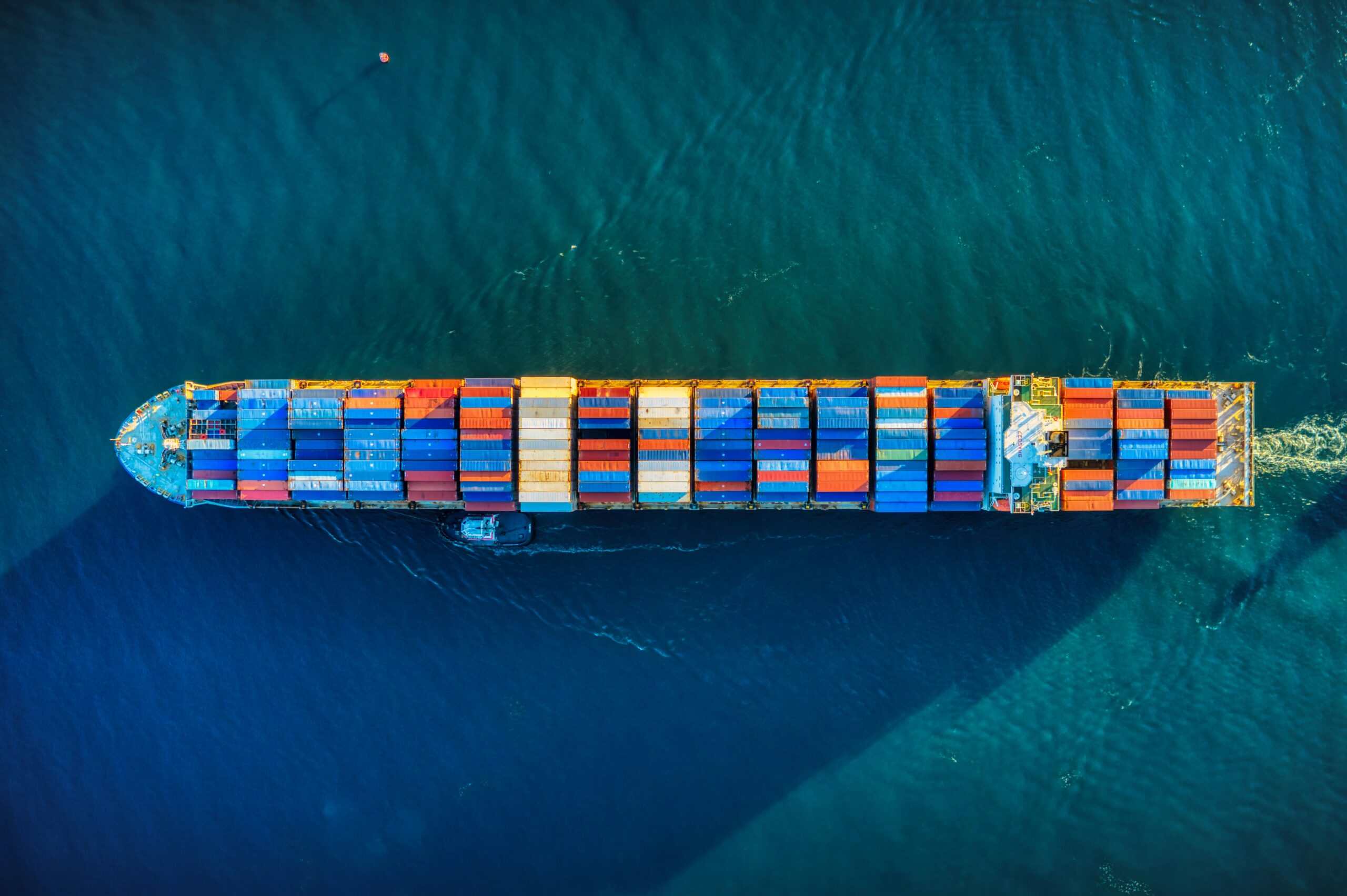

For many direct-to-consumer (“D2C”) e-commerce businesses, China is the source of the products that are delivered to consumers directly from the manufacturing or processing centers. The business model works economically for many reasons, including what is generally called the de minimis customs and postal rule. This rule allows packages with values less than $800 to bypass customs duties/fees and also tariffs/fees, and other additional postal fees, rules, and regulations. So, imagine that 1,000 units of some product are desired at $700 each. As a group, the value would be $700,000, which would be subject to customs inspections and duties/fees. These would add immensely to costs and add delays. Further, there would be no postal option to bring the products in-country AND no postal exemption of any kind as each product is mailed — one by one — within the United States.
On February 4, 2025, as part of a larger imposition of tariffs on some Chinese goods, the incoming Administration eliminated the de minimis rule for incoming Chinese products. See Forbes media report here. This caused immediate delays and confusion, with the U.S. Postal Service temporarily refusing to accept packages from China.
The elimination of the de minimis customs/postal rule will have immediate and large impacts on most e-commerce businesses. As the Forbes report states: “More than 80% of all U.S. e-commerce shipments were subject to de minimis in 2022, according to a congressional research report.”
As also noted in the Forbes article, on February 7, 2025, the Administration put a pause on the elimination of the de minimis rule until a new system can be created and implemented to “fully and expediently process and collect tariff revenue.” With that “pause,” e-commerce and D2C businesses can breathe a bit easier and begin the process of modifying their business models to account for the upcoming changes.
Possible options
One thing to consider is that, in politics, what is “expected to happen” this month might be totally forgotten by next month. There have been many, many discussions over the last ten years among politicians about “fixing” or eliminating the de minimis rule. So, in the end, nothing may happen. The rule might be a “bargaining chip” in the tariff/trade war being waged.
In addition, it might be useful and timely to “train up” on customs regulations. Often, suppliers are already proficient in providing customs forms along with packages. Thus, compliance might be easier than imagined. That vendor service will need to be added to the supply contract, and the issue is, of course, cost. The other cost issue is the customs duty itself, and one potential other cost increase might be the postal charges. Strategic decisions might be needed as to how to pass these costs on to the customers.
Another option to explore is to find suppliers outside of China. In effect, this really means finding a company that will SHIP your products from a place that is not located in China. There are, of course, many options here, and your China-based supplier might be able to provide good guidance.
Contact the D2C and E-Commerce Attorneys at Revision Legal
For more information, contact the experienced D2C and ECommerce Lawyers at Revision Legal. You can contact us through the form on this page or call (855) 473-8474.
What the End of De Minimis Means Operationally for E-Commerce Businesses
The Trump Administration’s elimination of the de minimis exemption for Chinese goods — first announced in February 2025, paused, and subsequently reimposed — has forced D2C and e-commerce businesses to rethink supply chains that have been built around the assumption of duty-free small-parcel imports. Understanding the legal and operational landscape post-de minimis is now an operational necessity, not a contingency plan.
What the De Minimis Rule Was and What Its Elimination Means
The de minimis exemption, codified at 19 U.S.C. § 1321, historically exempted from customs duties any imported article with a fair retail value in the country of shipment of not more than $800. The exemption also meant these packages bypassed formal customs entry, CBP (Customs and Border Protection) examination in most cases, and additional postal surcharges. For direct-from-China e-commerce models pioneered by companies like Shein and Temu, the de minimis exemption was the economic foundation of the entire business model — it allowed individual orders to be shipped directly from Chinese warehouses to U.S. consumers at a cost structure that domestic or near-shore fulfillment simply cannot match.
When de minimis is eliminated for Chinese-origin goods, those packages become subject to applicable tariff rates — which, under the current tariff regime, are substantial — plus formal customs processing costs. For a $25 item subject to a 145% tariff, the duty alone could exceed the retail price of the product. The economic model breaks, and businesses must either absorb the cost, pass it to consumers, or find a new supply chain.
Legal Considerations in Supply Chain Restructuring
Any business considering restructuring its supply chain in response to de minimis elimination needs to think through the legal dimensions of the transition, not just the logistical ones. Existing supplier contracts should be reviewed to determine: (1) whether they permit the business to terminate or renegotiate on short notice in response to regulatory changes; (2) how liability for customs duties is allocated between buyer and seller under the contract’s trade terms (Incoterms — EXW, FOB, DDP, etc. directly determine who bears the duty obligation); and (3) whether the supplier’s manufacturing origin — China vs. a third country — is guaranteed in the contract or merely customary practice.
The Incoterms issue is particularly important. A D2C business buying on DDP (Delivered Duty Paid) terms has, in theory, contracted for the supplier to absorb all import duties. But a Chinese supplier who is now facing a 145% tariff on goods delivered to the U.S. will not be able to absorb that cost and will either demand renegotiation, breach the contract, or go out of business. Understanding what your contracts actually say — and what leverage you have to renegotiate — requires legal review before the crisis point arrives.
Sourcing Alternatives: Legal Due Diligence on New Suppliers
The obvious supply chain response to de minimis elimination is to find suppliers in countries not subject to the same tariff treatment. Vietnam, Mexico, India, and other manufacturing destinations have attracted interest as alternatives to China. But moving a supply chain is not simply a matter of finding a factory that can make your product at a comparable price. Legal due diligence on new suppliers should include:
- Country of origin rules: The tariff treatment of imported goods depends on where they are “substantially transformed” into the final product, not merely where they are shipped from. A product assembled in Vietnam from Chinese components may still be classified as Chinese-origin for tariff purposes under CBP’s country of origin rules. Legal counsel familiar with customs law should review the manufacturing process before assuming a third-country supply chain solution eliminates tariff exposure.
- Trade agreement benefits: Goods manufactured in Mexico or Canada may qualify for preferential tariff treatment under the USMCA. Qualifying requires meeting specific rules-of-origin requirements that vary by product category. A customs attorney can determine whether a proposed product qualifies and what documentation is required.
- Supply contract terms: New supplier agreements should be drafted to allocate tariff risk explicitly, incorporate appropriate Incoterms, address quality control and compliance obligations (including forced labor compliance under the Uyghur Forced Labor Prevention Act), and include termination provisions that give the buyer flexibility if the regulatory environment changes again.
Consumer Pricing and Transparent Communication
Whatever supply chain solution a D2C business adopts, the cost increase will ultimately be reflected in consumer pricing, reduced margins, or both. Businesses that are increasing prices in response to tariffs should communicate that clearly to consumers. The FTC’s deception standards and various state consumer protection laws prohibit pricing that is materially misleading. A business that raises prices dramatically while implying the product is otherwise unchanged without disclosing the tariff context risks consumer protection scrutiny, particularly if the price increase accompanies any quality reduction.
The D2C and e-commerce attorneys at Revision Legal advise businesses on supply chain contracts, customs compliance, tariff classification disputes, and consumer protection compliance. If your business is navigating the post-de minimis landscape, contact Revision Legal to understand your legal options.