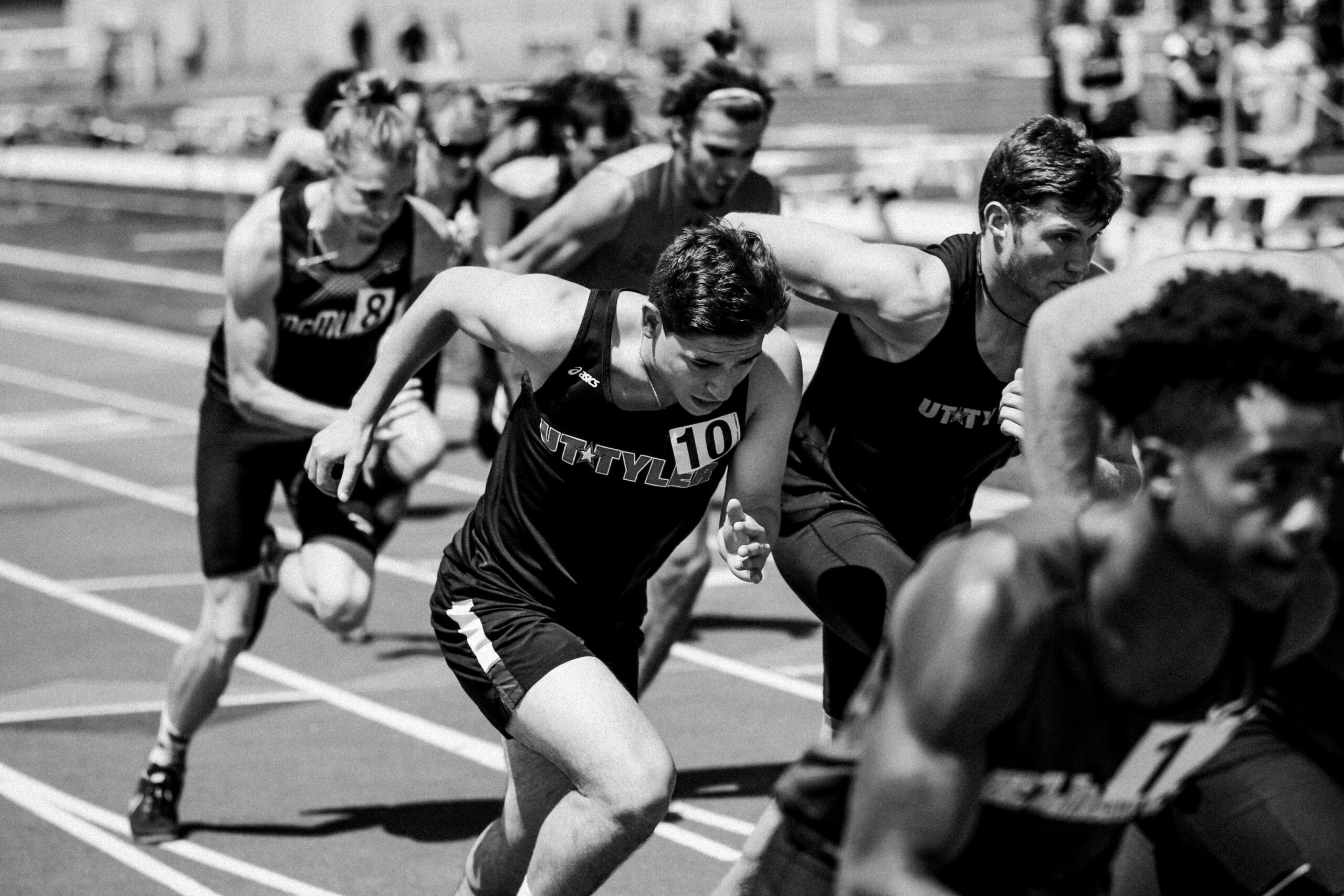
In every name, image, and likeness (“NIL”) endorsement agreement, there are provisions that prohibit the use of team logos and designs and that ban the athlete from appearing in his or her team’s jersey or other identifying clothes. This may seem puzzling since the reason the athlete is being sought out for NIL endorsements is because the athlete is a star on his or her team. In theory, he or she would not be a star and popular without the team. So, naturally, he or she should appear in team apparel. However, as noted, NIL endorsement deals prohibit this, as do many state laws, sports league rules, and school regulations. The question is, why?
There are several reasons why. The most important is that team logos, designs, clothing, and other paraphernalia are separately OWNED by the TEAM (and/or the school) and are subject to separate legal protections such as trademarks, copyrights, etc. So, the athlete does not OWN the team logos, designs, clothes, etc., and has no right to use those logos, designs, etc. as part of his or her own promotions. Like the athlete can bar others from using his or her NIL, the team has the right to ban athletes from appearing in endorsements displaying those logos, designs, etc.
For a related reason, the prohibition on athletes using team logos, designs, etc., prevents freeloading by businesses and prevents those businesses from gaining more value from an NIL endorsement deal than they are paying for. In other words, athletes are being paid for NIL rights. Allowing athletes to appear with team trademarks gives a business more of a bargain than they paid for since the business did not pay for the right to use the team trademarks.
Third, teams generally have a monopoly on images involving the athlete wearing team trademarks. And the teams have NO incentives to let go of that monopoly. As part of being a member of the team, athletes generally must grant their NIL rights to the team. This gives the team the right to show the athlete in his or her school uniform along with team logos, designs, etc. This is an exclusive right that teams will not share since exclusivity enhances value. Altogether, the combination of athlete and team trademarks is very valuable for broadcast, cable, and streaming rights.
Finally, there is an administrative reason to prohibit athletes from using team logos, designs, etc.: compliance and enforcement costs would be too high. A large university with a popular team might have, over a year, 300 or more NIL agreements signed between various businesses and athletes. Any use of a team trademark must be monitored and policed for violations of restrictions. Without policing, the legal statute of a trademark can become endangered. As one can imagine, allowing athletes to use team trademarks in their own endorsement agreements would be an immense enforcement and compliance burden on staff and administration. There is no reason to undertake – and many reasons to avoid – that burden.
Contact the NIL Rights and Esports Attorneys at Revision Legal
For more information, contact the experienced NIL and Esports Lawyers at Revision Legal. You can contact us through the form on this page or call (855) 473-8474.
The Trademark and Licensing Framework Behind Team Apparel Restrictions
The prohibition on college athletes using team logos and jerseys in their own NIL endorsements is not arbitrary bureaucracy — it reflects a deliberate and well-established intellectual property framework that universities and athletic conferences have built over decades. Understanding the legal structure behind this restriction helps athletes and their advisors anticipate where the lines are drawn and how to work effectively within them.
The University’s IP Rights: Trademarks, Copyrights, and Publicity Rights
Major universities have large portfolios of registered trademarks — their names, mascots, logos, wordmarks, and distinctive color combinations. The University of Tennessee’s “Power T” logo, for example, is a registered trademark used in commerce across apparel, merchandise, broadcasting, and advertising. These registrations give the university the exclusive right to use those marks in commerce and to license them to third parties. An NIL endorser who appears in an unlicensed photo or video wearing a jersey bearing the university’s registered trademark is engaging in trademark infringement, regardless of whether the university would approve of the endorsement.
Copyright adds another layer. Game footage, highlight clips, and photographs taken at university-sponsored athletic events are typically owned by the university or its broadcast partners. The uniforms, stadium environments, and other visual elements captured in that footage are owned as well. An athlete who uses game footage in an NIL endorsement — even footage of their own performance — is typically using copyrighted material that they do not own and have not licensed.
How Athletes Grant Their Own NIL Rights to Their Schools
The relationship between an athlete and their university with respect to NIL rights runs in both directions. Most university athletic department enrollment agreements and scholarship agreements contain provisions under which the athlete grants the university a license to use the athlete’s name, image, and likeness for promotional purposes — broadcast, game programs, official social media, and recruiting materials. This license has typically been granted without compensation as a condition of athletic participation.
The legal validity of these grants — particularly unpaid grants from athletes who were told their participation in college sports required them — has been scrutinized in the post-Alston legal environment. The ongoing litigation over the House v. NCAA settlement, which includes a damages class covering past NIL rights granted without compensation, reflects how fundamentally the courts have reconsidered this exchange. But the current legal state of affairs is that athletes who have enrolled under existing athletic agreements have granted their schools broad NIL rights for school promotional purposes, while retaining independent NIL rights for their own commercial deals — subject to the team trademark restrictions discussed here.
Conference Licensing Programs and Group NIL Deals
Major conferences and the NCAA license team imagery — including players in uniform — for video games, trading cards, broadcast packages, and official merchandise through structured licensing programs. These licensing arrangements are extremely valuable: the combination of the athlete’s recognizable face and the team’s registered trademarks and copyrighted imagery is worth far more commercially than either element alone.
In the post-Alston and post-House v. NCAA settlement world, some conferences and schools have begun developing group licensing programs that compensate athletes for the use of their likeness in these contexts. The Big Ten, SEC, and Pac-12 have moved toward revenue-sharing models that include group NIL compensation. These programs are evolving rapidly, and athletes who want to ensure they are compensated appropriately for group use of their likeness should consult with NIL counsel about the specific terms of any group licensing arrangement their school or conference offers.
What Athletes Can and Cannot Do
Athletes navigating NIL endorsements should have a clear understanding of the boundaries. They can use their own image, voice, and personal social media presence in endorsements. They can reference their athletic career and status as a player without using team trademarks. They can wear generic athletic apparel in promotional content. They can describe their position, their sport, and their institution by name in text. What they cannot do is display team logos, registered marks, or team jersey designs in unauthorized commercial contexts.
Some endorsement agreements are now being structured to include a separate license from the university or conference for limited use of team marks in specific campaign contexts. This is the correct way to structure a deal that involves team imagery — through an express license with the rights holder, not through the assumption that the athlete’s own NIL rights extend to team-owned marks. The NIL and intellectual property attorneys at Revision Legal advise athletes, sponsors, and NIL collectives on structuring deals that are both commercially effective and legally compliant. Contact us before finalizing any NIL agreement that involves team apparel or imagery.